September 18, 2026
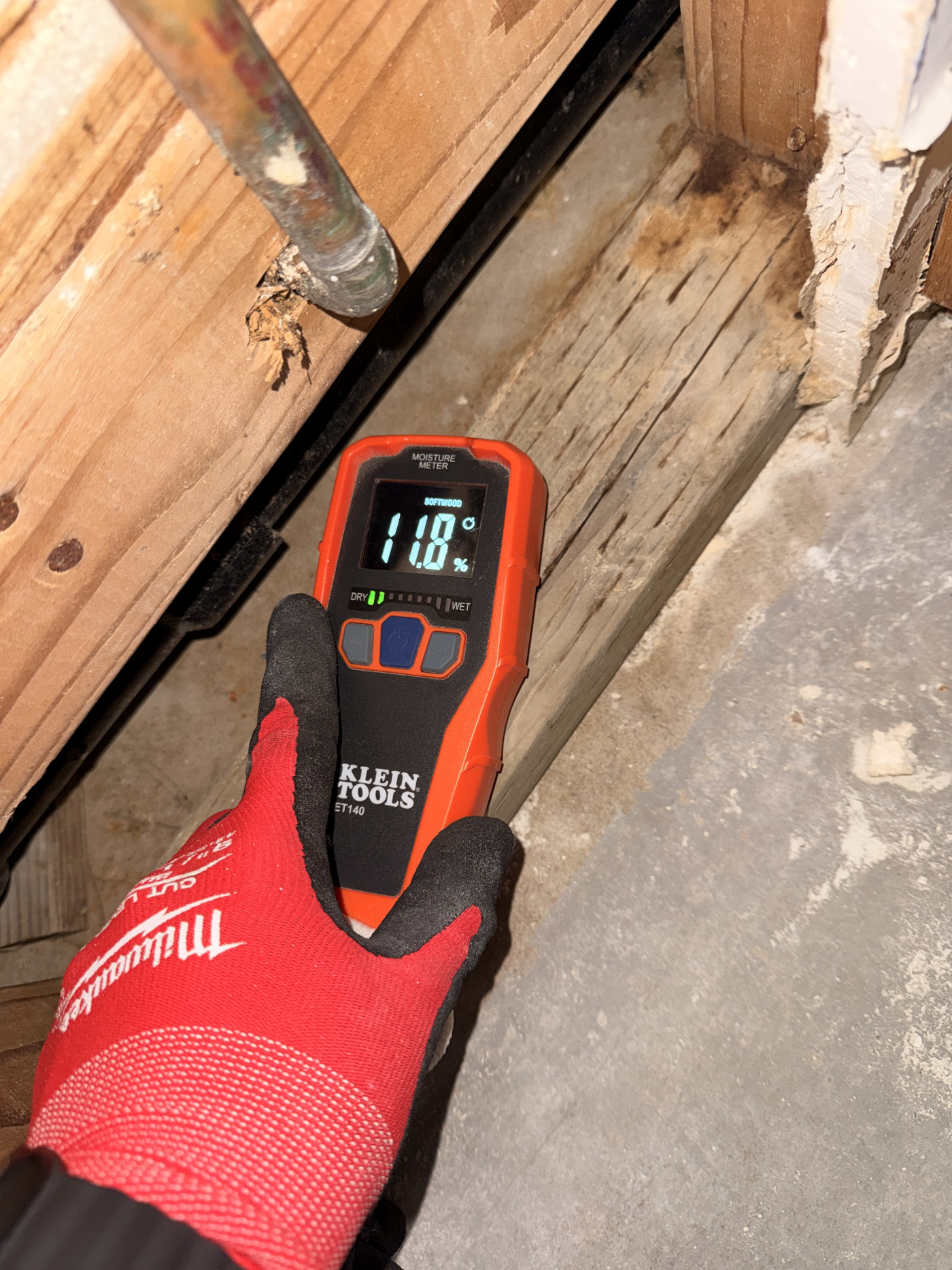
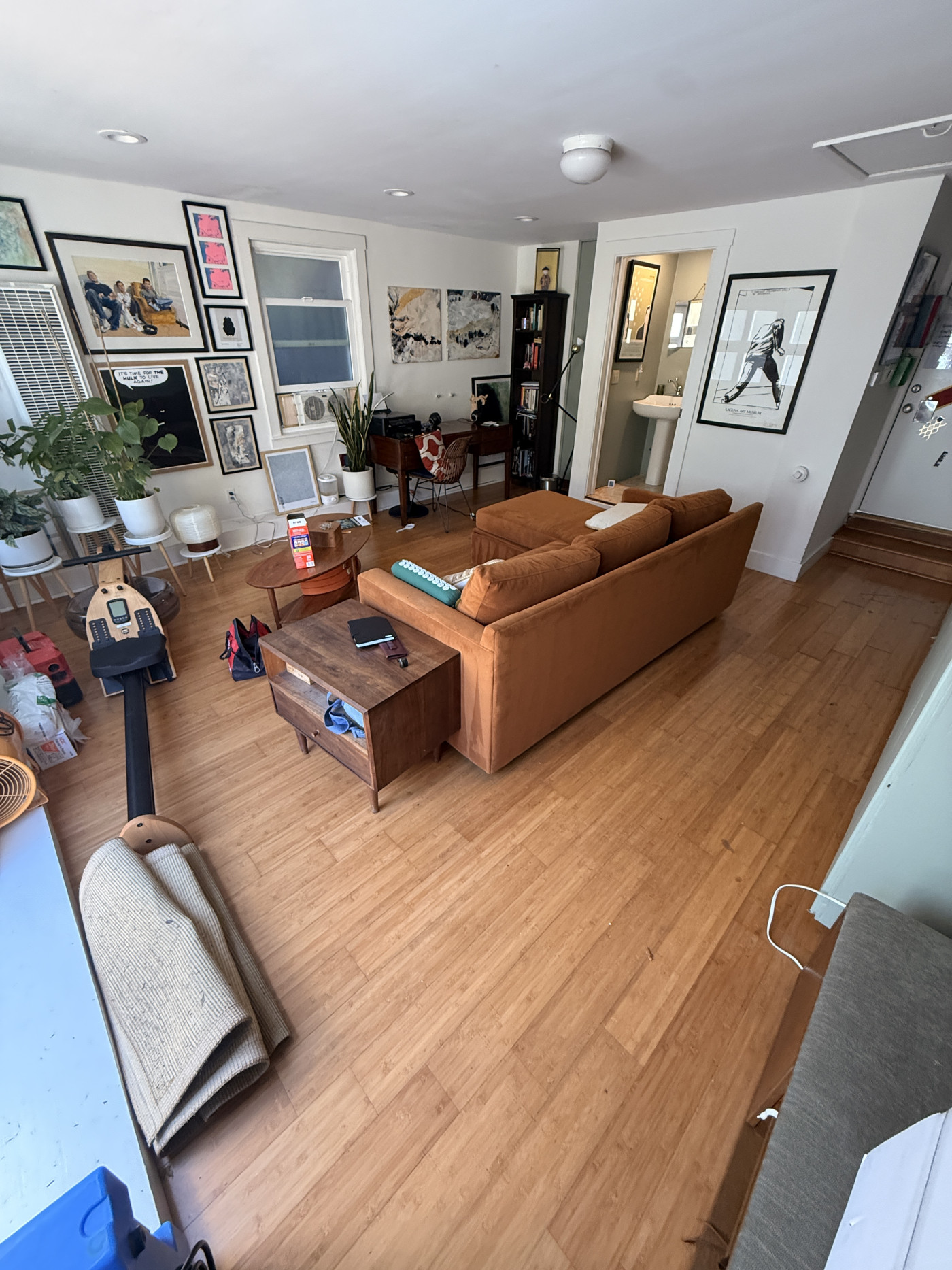
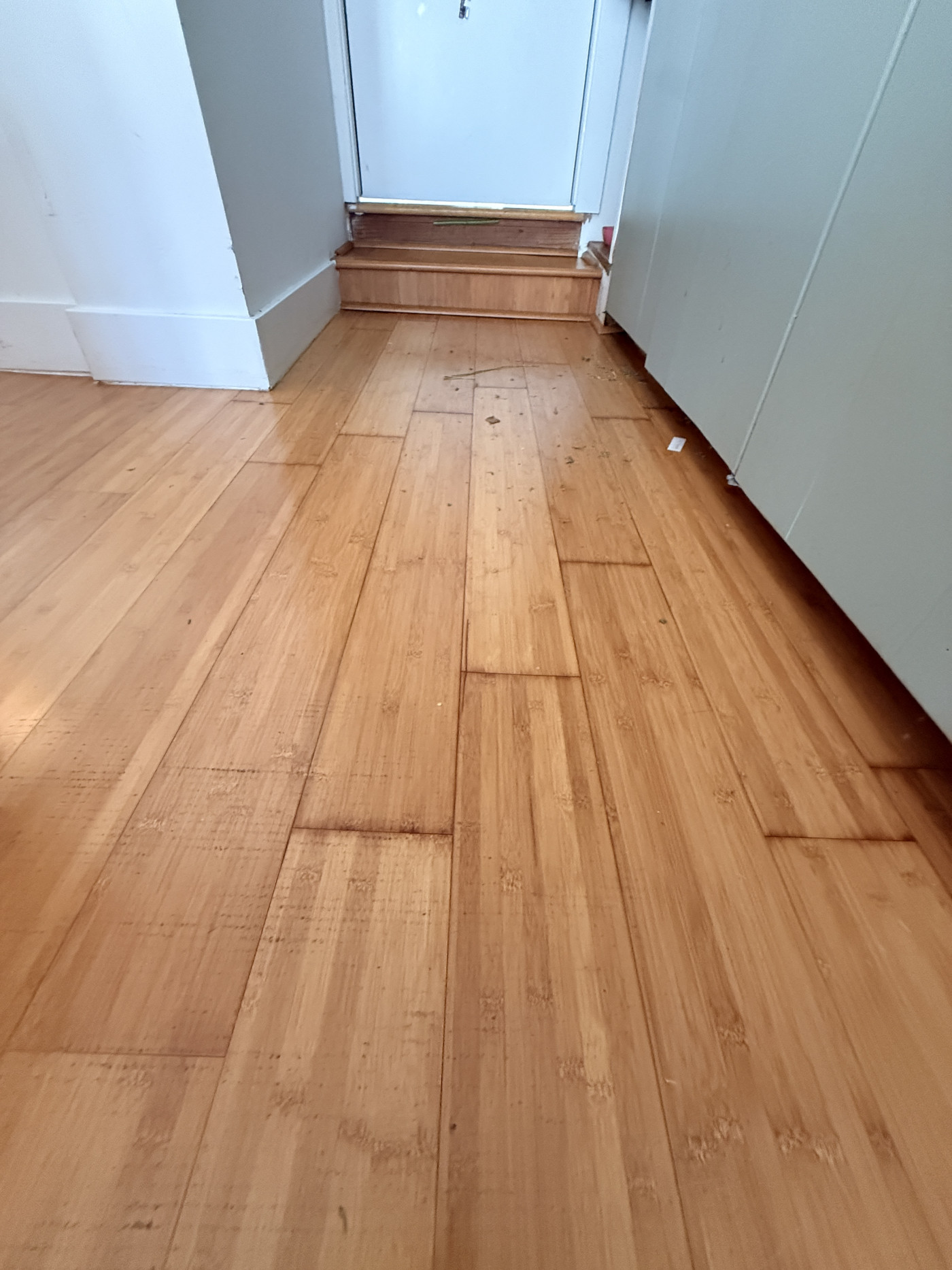
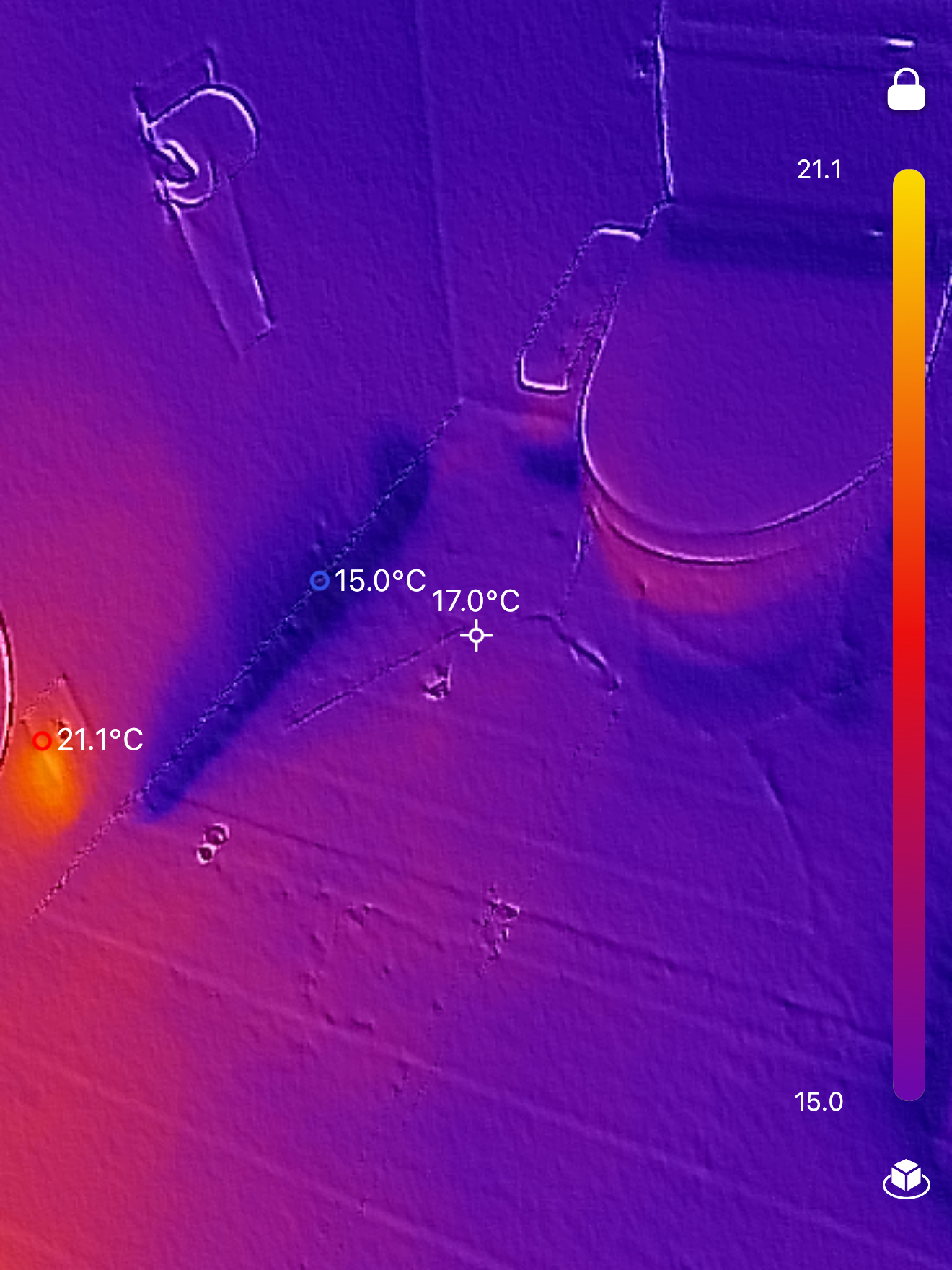
The project began after signs of water damage were discovered under the finished hardwood floor. Using thermal imaging and professional moisture detection equipment, we identified areas with elevated moisture and confirmed that water had migrated beneath the flooring and into materials below.
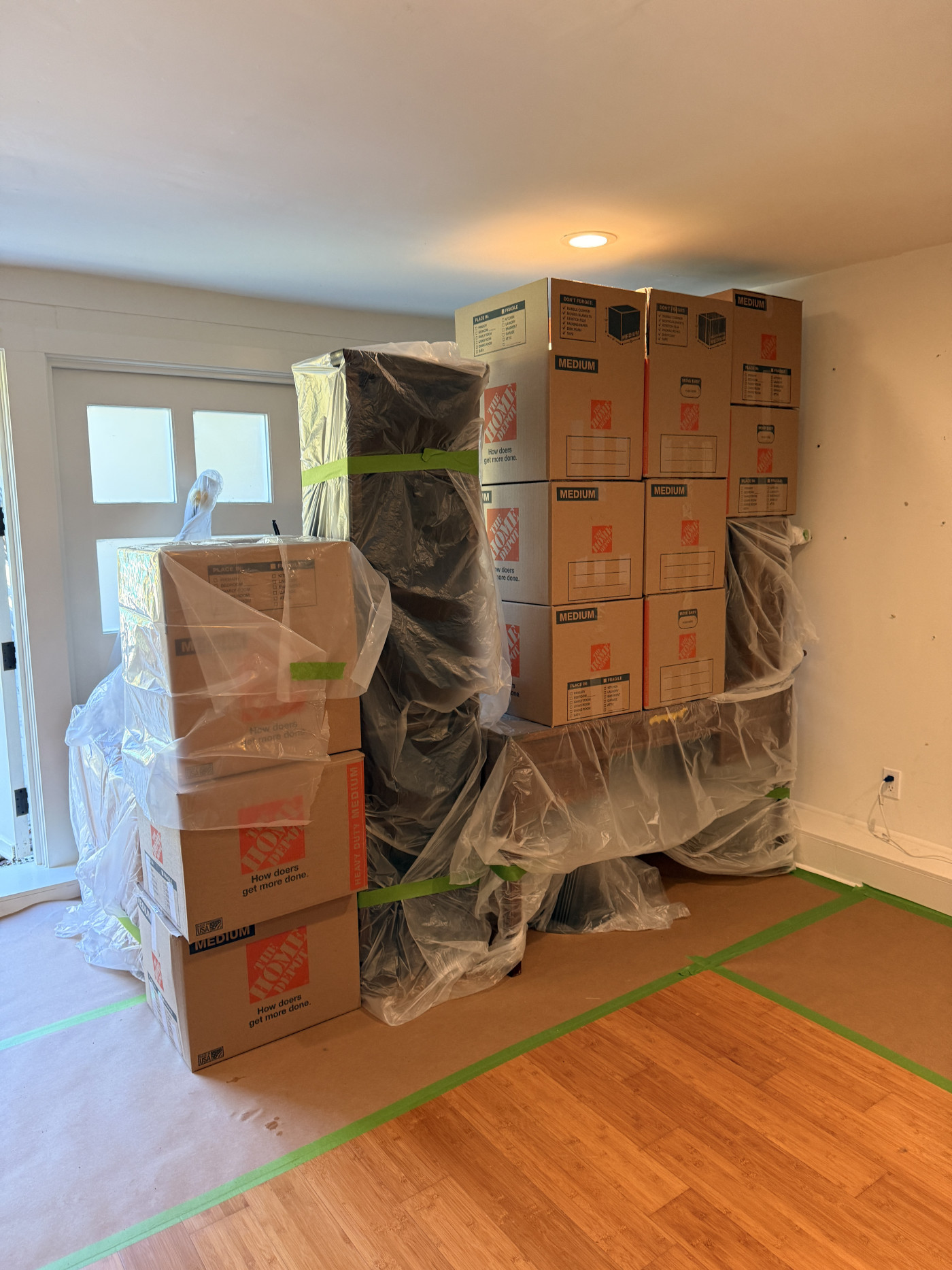
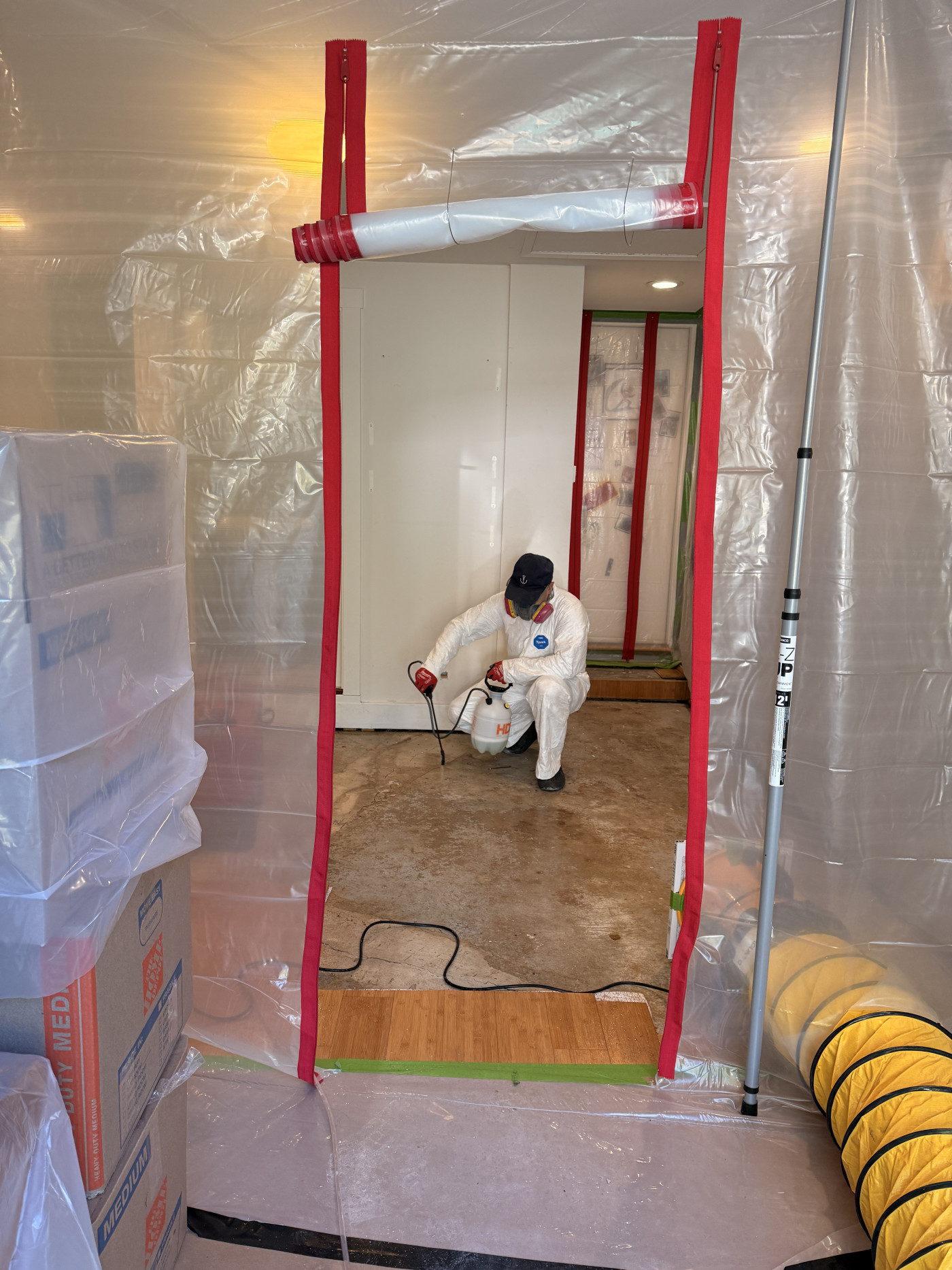
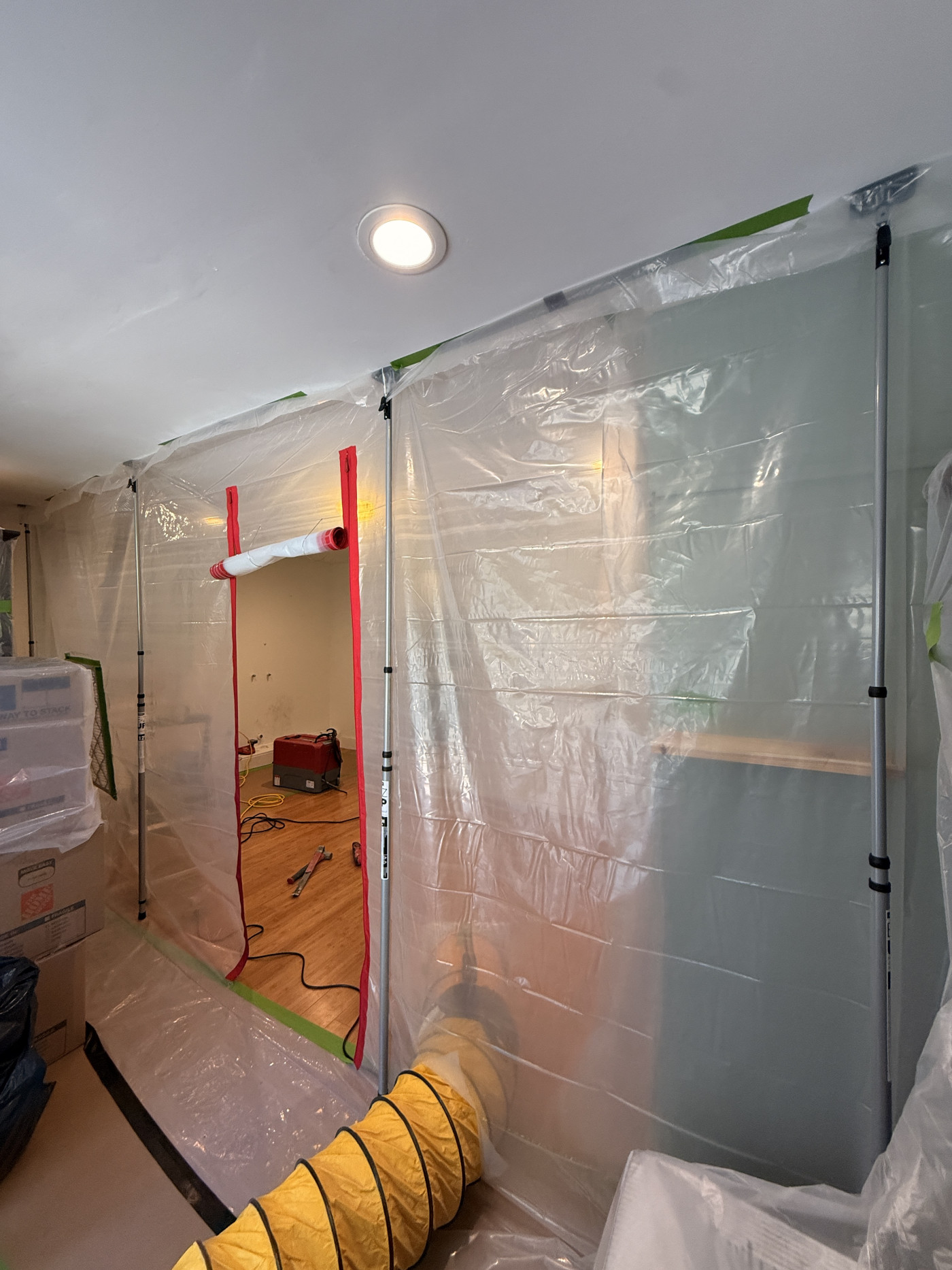
Before demolition began, furniture and contents were carefully moved, packed, wrapped, and protected. Floor protection was installed, and a containment barrier was built to isolate the affected work area and help control dust and debris during mitigation.
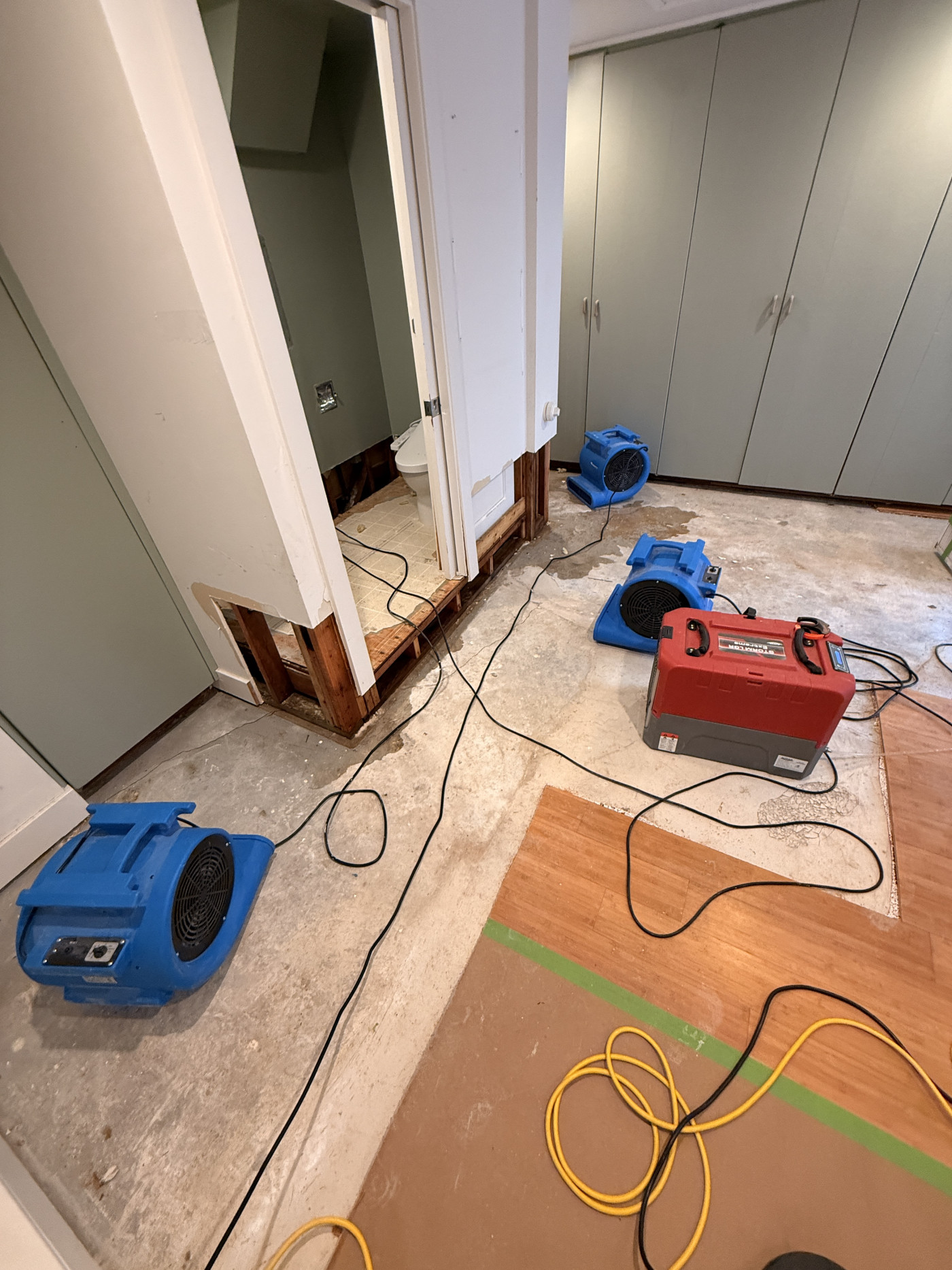
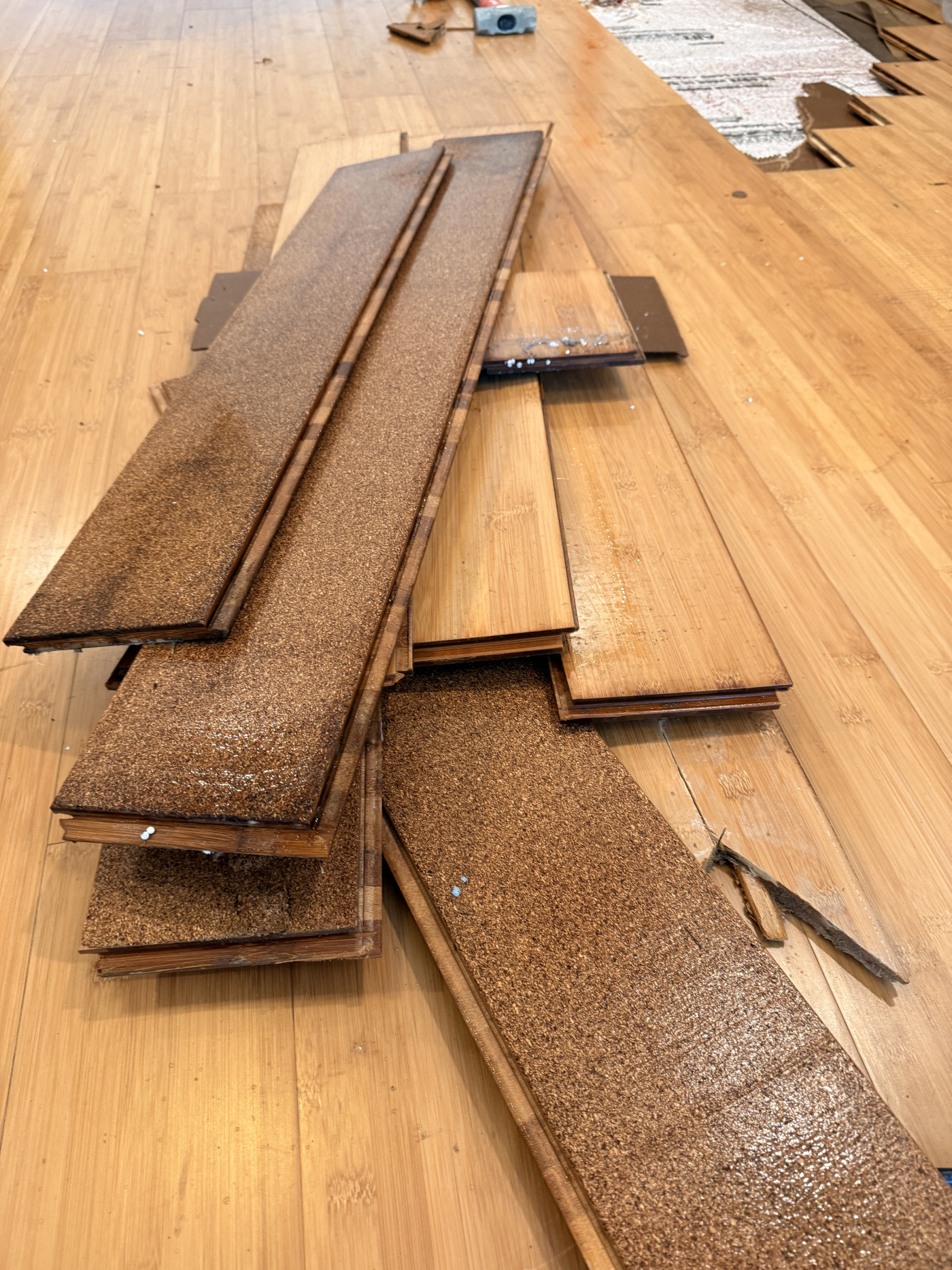
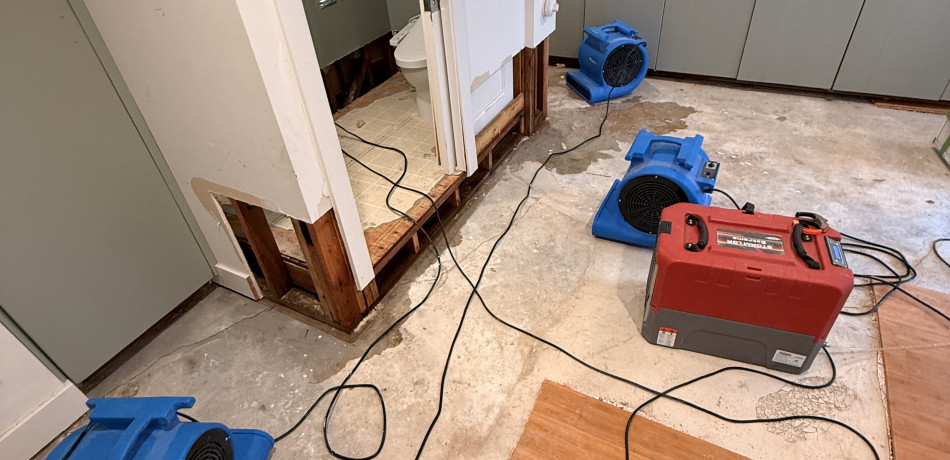
Once the damaged area was opened, the affected hardwood flooring and other water-damaged materials were selectively removed. This allowed access to the structure below so the area could be properly inspected, treated, and dried.
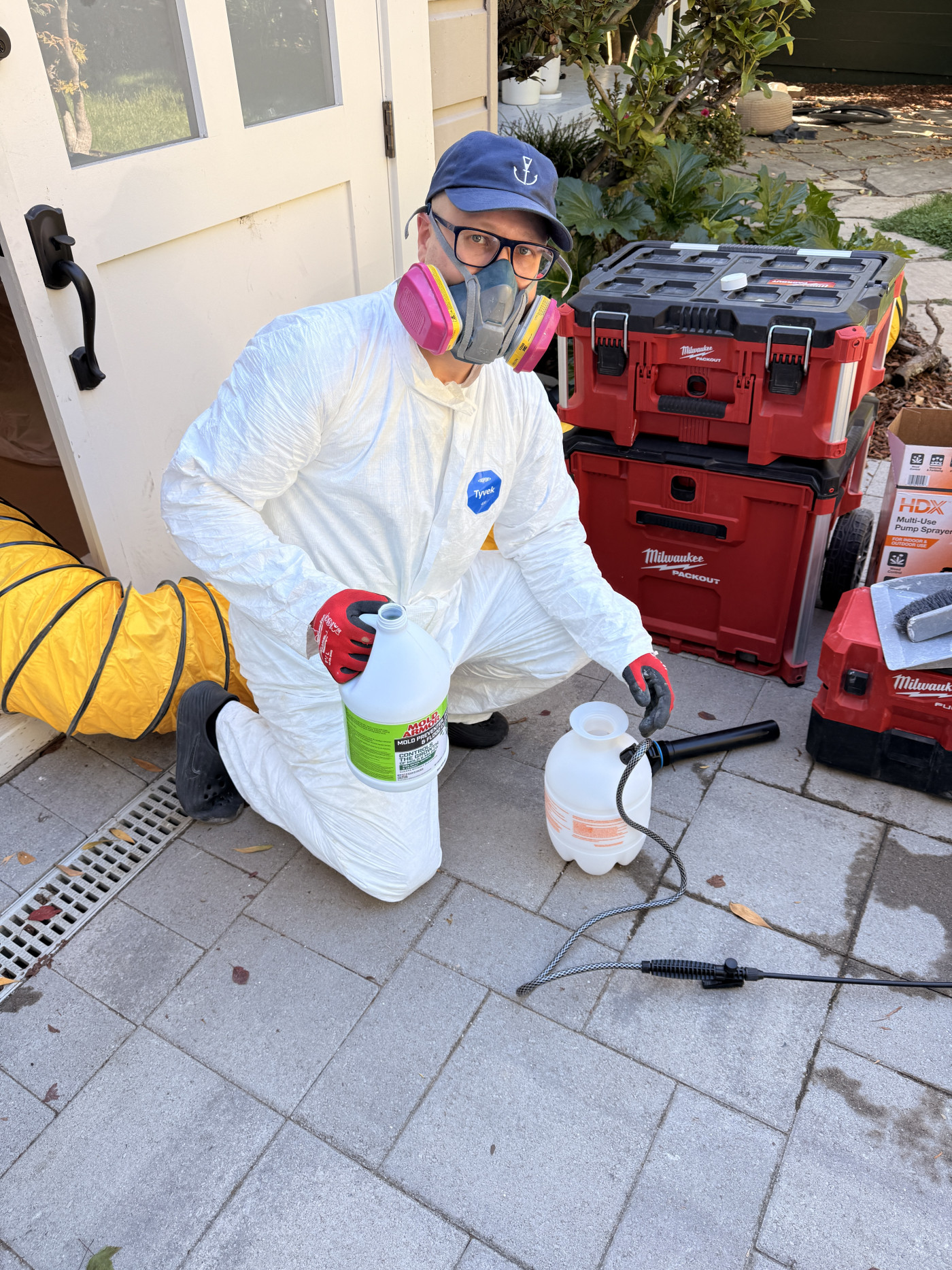
The exposed materials were treated as needed to help reduce the risk of mold growth and secondary damage. Professional drying equipment, including air movers and dehumidification equipment, was then installed to create controlled airflow and reduce excess moisture.
Throughout the drying process, moisture readings were taken from exposed wood and other affected materials to monitor progress and confirm when conditions were improving.
Our goal with every water damage project is to remove only what is necessary, protect unaffected areas, properly dry the structure, and prepare the property for a clean reconstruction.
Services performed on this project included:
- Water damage inspection
- Thermal imaging inspection
- Moisture detection and monitoring
- Hardwood floor water damage assessment
- Selective flooring removal
- Water damage mitigation
- Containment setup
- Contents protection and manipulation
- Mold prevention treatment
- Structural drying
- Air mover installation
- Dehumidification
- Moisture verification
- Preparation for reconstruction


If you’ve noticed:


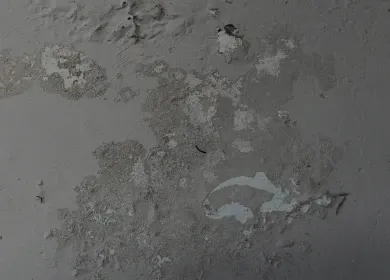
Musty odors
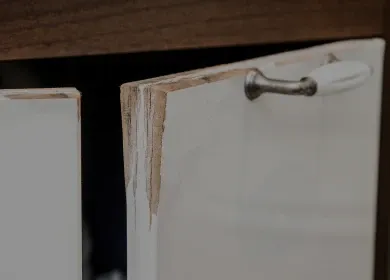
Cabinet swelling
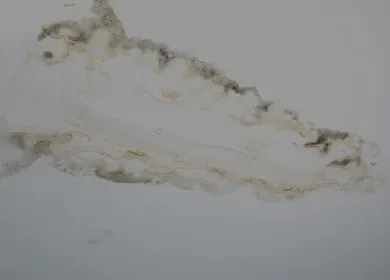
Water stains
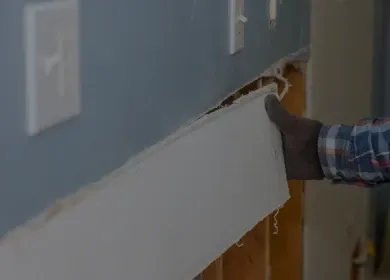
Soft drywall
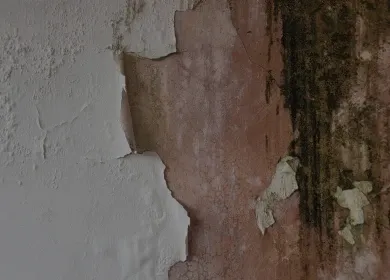
Signs of mold
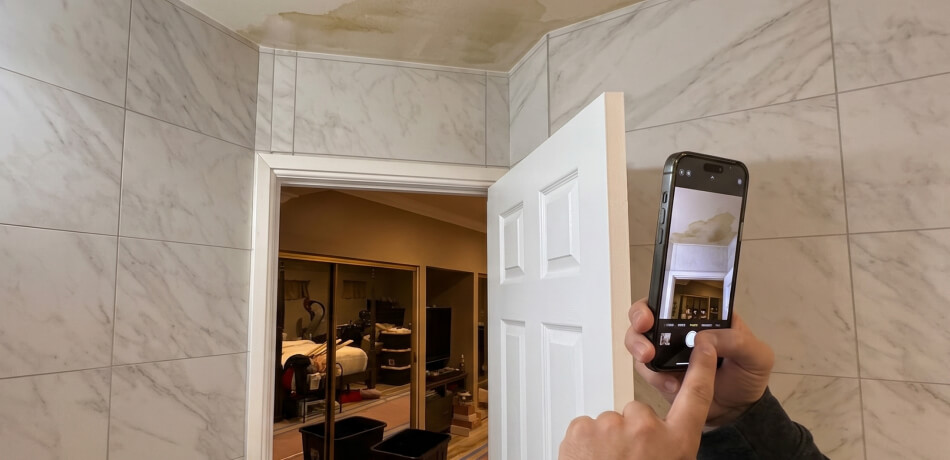
Send me a few photos and I’ll let you know what I think. Feel free to text photos of the issue for a quick initial assessment.

Emergency
Response
Response
24/7

San Francisco
Bay Area
Bay Area

Los Angeles
& Orange County
& Orange County
Send Photos for Fast Estimate
Text us photos of the issue and we’ll give you a quick estimate or call us (818) 305-7205
© 2026, California Construction Pro Service
© 2026, California Construction Pro Service
Privacy Policy